 Contact Us
 Subscribe to alerts
 Follow Us on Facebook
 Watch
Watch Listen
 Sitting Calendar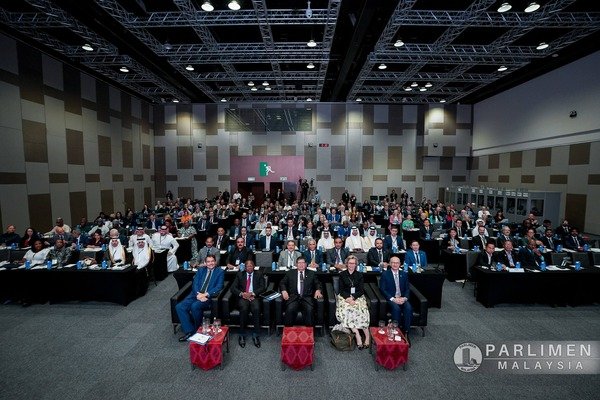
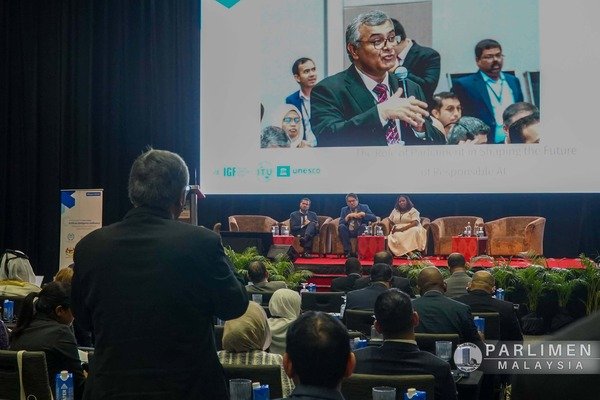
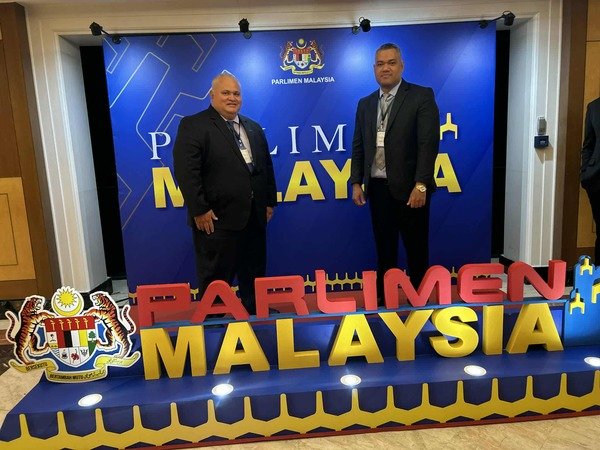
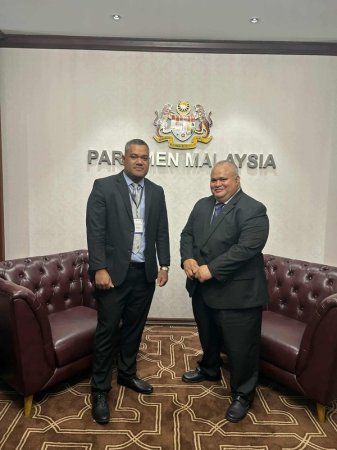
Over 200 parliamentarians and parliamentary staff from 65 countries, including representatives from the Legislative Assembly of Tonga, met in Kuala Lumpur to address the urgent need for responsible global governance of artificial intelligence. The conference was jointly organized by the Commonwealth Parliamentary Association (CPA), the Inter-Parliamentary Union (IPU) and the United Nations Development Programme (UNDP), in close cooperation with the Parliament of Malaysia.
The central objective of the conference was to explore how parliaments around the world can—and must—respond to rapidly accelerating developments in artificial intelligence. Discussions focused both on the governance of AI’s societal impacts through legislation, oversight and international collaboration, and on the adoption of AI within parliamentary institutions to modernize processes, strengthen service delivery and enhance democratic engagement. Organizers stressed that the event was intended to be action-oriented rather than theoretical, encouraging participants to build capacity, exchange practical knowledge and commit to concrete steps for advancing responsible AI governance.
The three-day programme was built around two thematic tracks. The first examined policy, legislative and oversight dimensions of AI, including its societal impacts and national and regional governance approaches. The second considered how parliaments themselves can integrate AI to support research and analysis, improve administrative efficiency, foster transparency and expand avenues for citizen participation. Sessions explored AI’s transformative effects on economies, labour markets, public services and social equity, as well as legal strategies to safeguard rights, prevent harms such as bias and disinformation, and adapt to the rapidly evolving technological landscape. Participants also discussed national capacity building, data governance, AI literacy, inclusive access, and the digital infrastructure needed for sustainable AI development. Dedicated discussions addressed gender-related risks and the need to mitigate algorithmic bias and technology-facilitated harms. Practical deliberations focused on parliamentary adoption of AI, covering issues such as procurement, data sovereignty, ethics, transparency and institutional readiness. The importance of international cooperation was emphasized throughout, especially the need for harmonized approaches to avoid fragmented global governance.
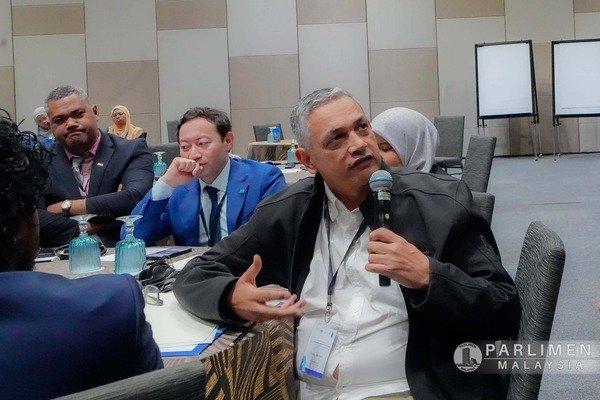
The conference employed a variety of formats, including plenary presentations, panel discussions, workshops, collaborative problem-solving sessions and an “unconference” in which participants proposed and debated emerging themes. During the unconference, ICT experts from the IPU and CPA met with representatives from small island states—among them Trinidad and Tobago, Vanuatu, Palau, the Cook Islands and Tonga—to share experiences and discuss the unique challenges these nations face in adopting and regulating AI.
The Conference Outcome Statement highlights AI’s enormous potential to advance science, enhance public services, strengthen democratic participation and accelerate progress toward the Sustainable Development Goals. At the same time, it warns that AI is evolving faster than regulatory systems can respond, posing risks to democratic integrity, social equality, climate resilience and global equity. The declaration calls for inclusive international cooperation that elevates the voices of the Global South and rejects the concentration of AI power in the hands of a few dominant actors. It urges parliaments to lead in developing ethical, safe, transparent and human-rights-based AI governance aligned with emerging global norms.
Participants affirmed that parliaments must modernize rapidly and act decisively while the opportunity still exists to shape AI for the public good. The declaration sets out thirteen recommendations for parliamentary action, which include assessing national and institutional AI-readiness, establishing rules for the political use of AI, investing in public education and capacity building, strengthening oversight mechanisms, reviewing foundational legislation such as privacy, data protection, anti-discrimination and cybersecurity laws, scrutinizing national AI strategies, addressing gender and equity concerns, deepening international engagement, strengthening internal parliamentary AI governance and collaborating on a shared, adaptable parliamentary AI platform. It concludes by calling on international partners to support these efforts and requesting all parliaments to provide progress updates by June 2026, with a consolidated status report to be published in August 2026.
The Legislative Assembly of Tonga was represented at the conference by Deputy Clerk Sione Vikilani and ICT Officer Mateialona Halaholo.